An Intellectual Property License Agreement Template serves as a foundational legal document, enabling owners of intellectual property (IP) to grant permission for others to use their creations under specified terms, without transferring ownership. In today's innovation-driven economy, intellectual property is often an organization's most valuable asset, encompassing everything from patented inventions and copyrighted artistic works to distinctive trademarks and carefully guarded trade secrets. Effective management and commercialization of these assets frequently involve licensing, which allows IP holders to generate revenue and expand market reach, while licensees gain access to crucial technologies, brands, or content necessary for their own operations or product development. Navigating the complexities of IP licensing requires a clear, comprehensive, and legally sound agreement, making a robust template an invaluable tool for businesses, creators, and innovators alike.
The decision to license intellectual property, rather than sell it outright, is a strategic one, offering flexibility and ongoing control to the licensor. For the licensee, it provides a cost-effective alternative to developing IP from scratch or acquiring it at a higher outright purchase price. However, the intricacies involved in defining the scope of the license, remuneration, territorial restrictions, and enforcement mechanisms necessitate a meticulously drafted document. A well-constructed template acts as a starting point, outlining the essential provisions required to protect both parties' interests and ensure a smooth, productive relationship.

Without a formal agreement, the unauthorized use of intellectual property can lead to costly litigation, loss of revenue, and damage to reputation. Conversely, a poorly drafted agreement can create ambiguities that lead to disputes, hinder commercialization, or fail to adequately protect proprietary information. This is why understanding the core components and strategic considerations of an IP license is paramount. It's not merely a formality; it's a critical business instrument that codifies the rights and responsibilities, setting the stage for successful collaboration and exploitation of valuable intangible assets.
This article will delve into the critical aspects of an Intellectual Property License Agreement Template, exploring its key components, the types of intellectual property it covers, the benefits of using such a template, and crucial considerations for customization. Our aim is to provide a thorough understanding of how to effectively utilize and adapt these templates to safeguard your innovations and foster mutually beneficial commercial ventures.
Understanding the Intellectual Property License Agreement Template
At its core, an Intellectual Property License Agreement Template is a legally binding contract between two parties: the licensor (the owner of the intellectual property) and the licensee (the party granted permission to use the IP). This agreement grants the licensee specific rights to use the licensor's IP for a defined purpose, within a specified territory, and for a particular duration, typically in exchange for compensation. Unlike an outright sale or assignment, a license does not transfer ownership of the IP; the licensor retains all proprietary rights and can often continue to use or license the IP to other parties, depending on the terms.
The primary purpose of such an agreement is to clearly define the boundaries of use, mitigating potential disputes and ensuring that both parties understand their obligations and entitlements. It outlines what the licensee can and cannot do with the IP, the conditions under which they can operate, and the financial arrangements governing the relationship. For instance, a software company might license its patented algorithm to another firm for integration into a new product, or an artist might license their copyrighted image for use on merchandise. In each case, the agreement provides the legal framework for this commercial interaction.
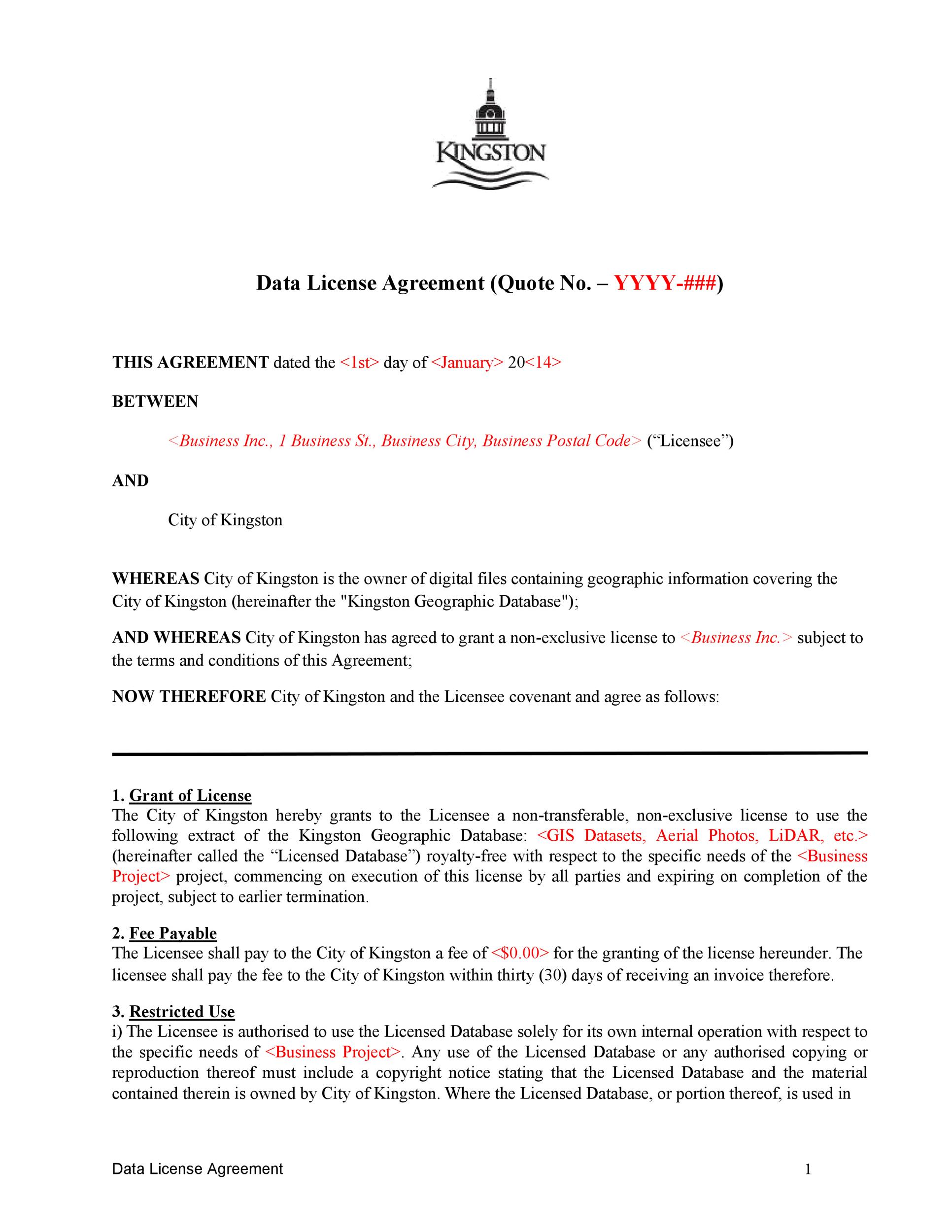
Effective licensing is a strategic tool for monetizing IP, fostering innovation, and expanding market reach. For licensors, it can generate revenue streams without the need for extensive capital investment in manufacturing, marketing, or distribution. For licensees, it offers access to cutting-edge technology, established brands, or creative content that might be too costly or time-consuming to develop internally. The success of these ventures hinges on the clarity and enforceability of the underlying license agreement, underscoring the importance of a robust template.

Types of Intellectual Property Covered by a License Agreement
An Intellectual Property License Agreement can cover a wide array of intangible assets, each with its unique legal protections and considerations. Understanding the specific type of IP being licensed is crucial for drafting appropriate terms and ensuring effective protection.
Patents
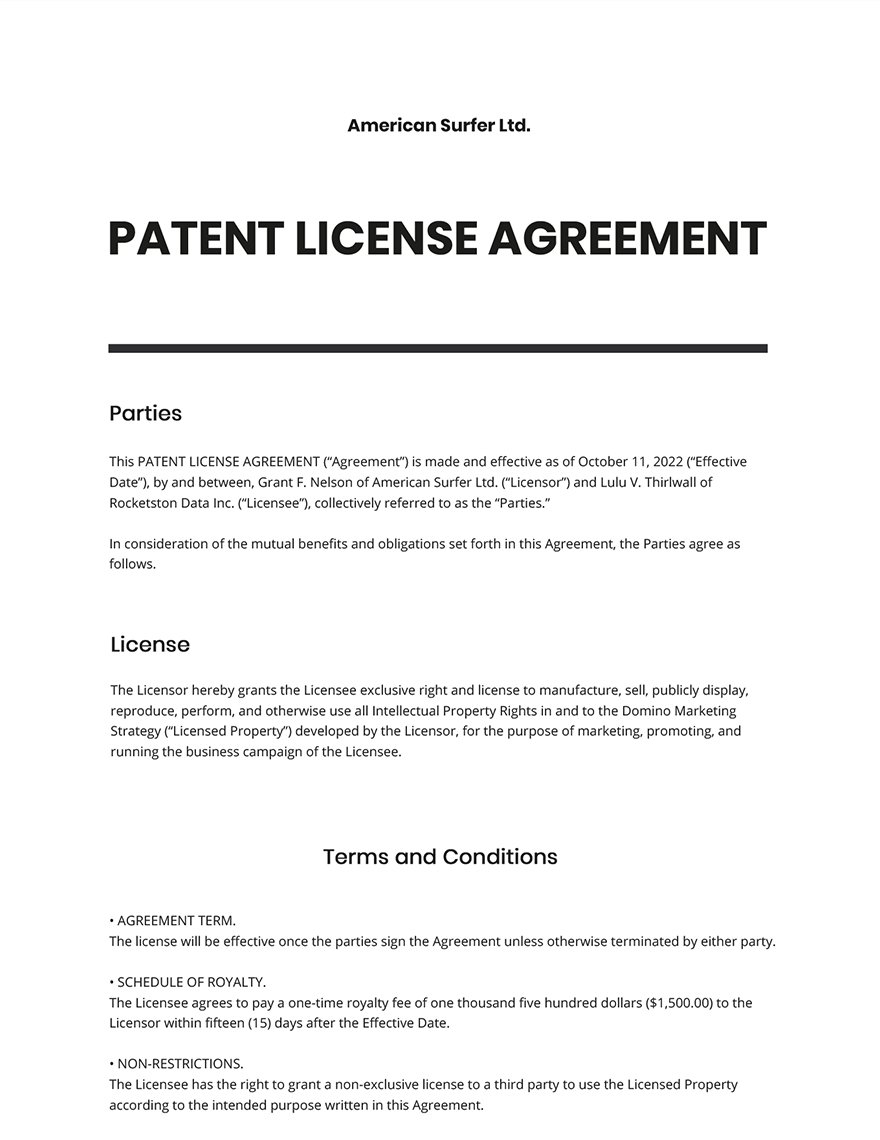
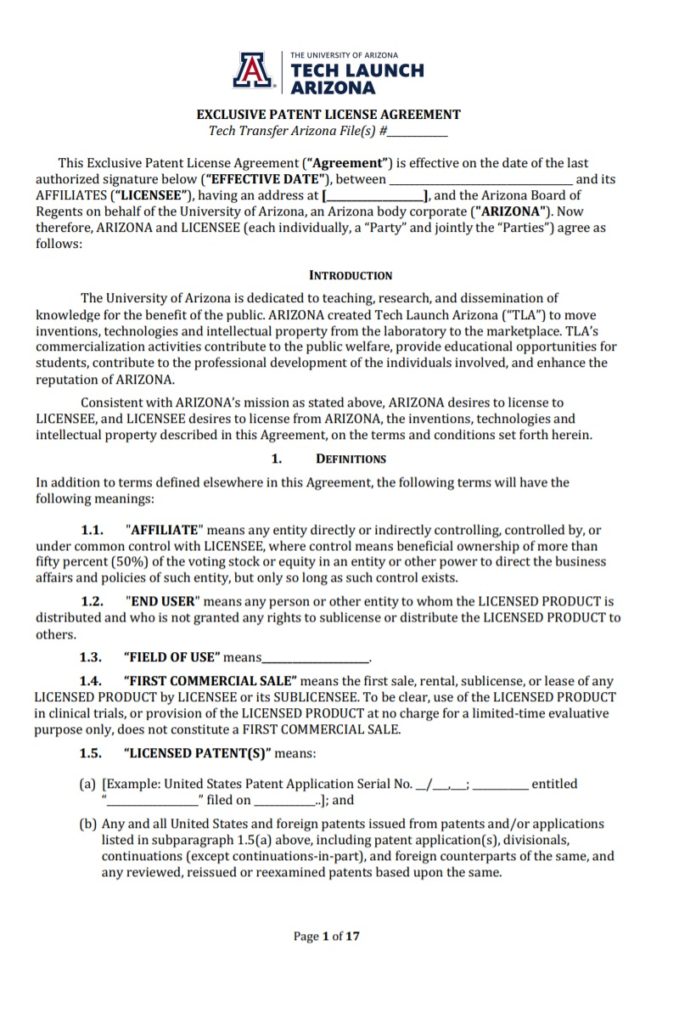
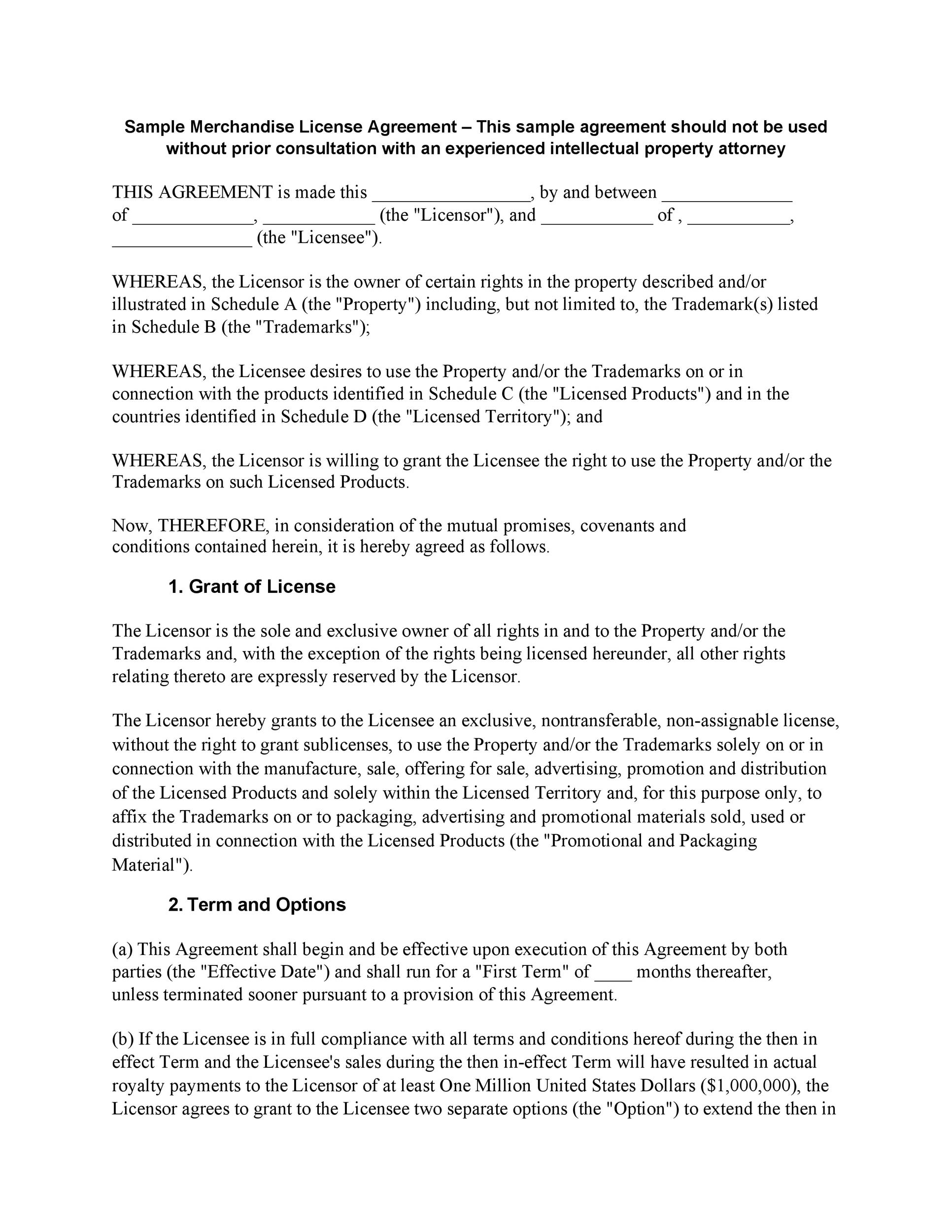
Patents protect inventions, granting the owner exclusive rights to make, use, sell, and import the invention for a limited period. A patent license agreement allows a licensee to manufacture, use, or sell a patented product or process, often for a royalty fee. Key considerations include the scope of the patented claims being licensed, whether the license is for a specific application or general use, and the geographical territories where the license is valid. For example, a pharmaceutical company might license a patented drug formulation to a manufacturing partner.
Copyrights
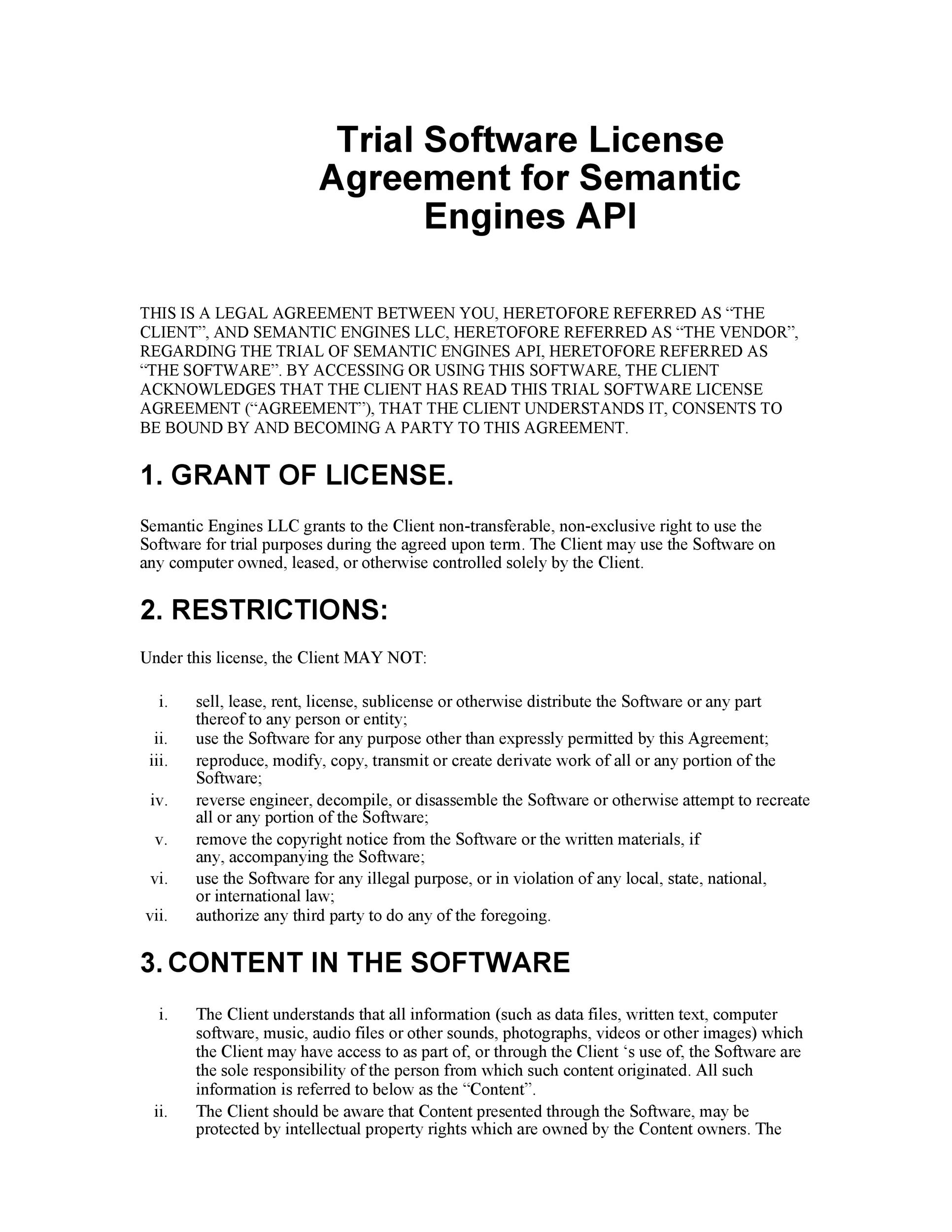
Copyrights protect original works of authorship, including literary, dramatic, musical, and artistic works, as well as software code. A copyright license permits a licensee to reproduce, distribute, perform, display, or create derivative works from the copyrighted material. Common examples include licensing photographs for advertising, music for films, or software for commercial distribution. The agreement must clearly define the specific rights granted, the duration, and any restrictions on modification or sublicensing.

Trademarks
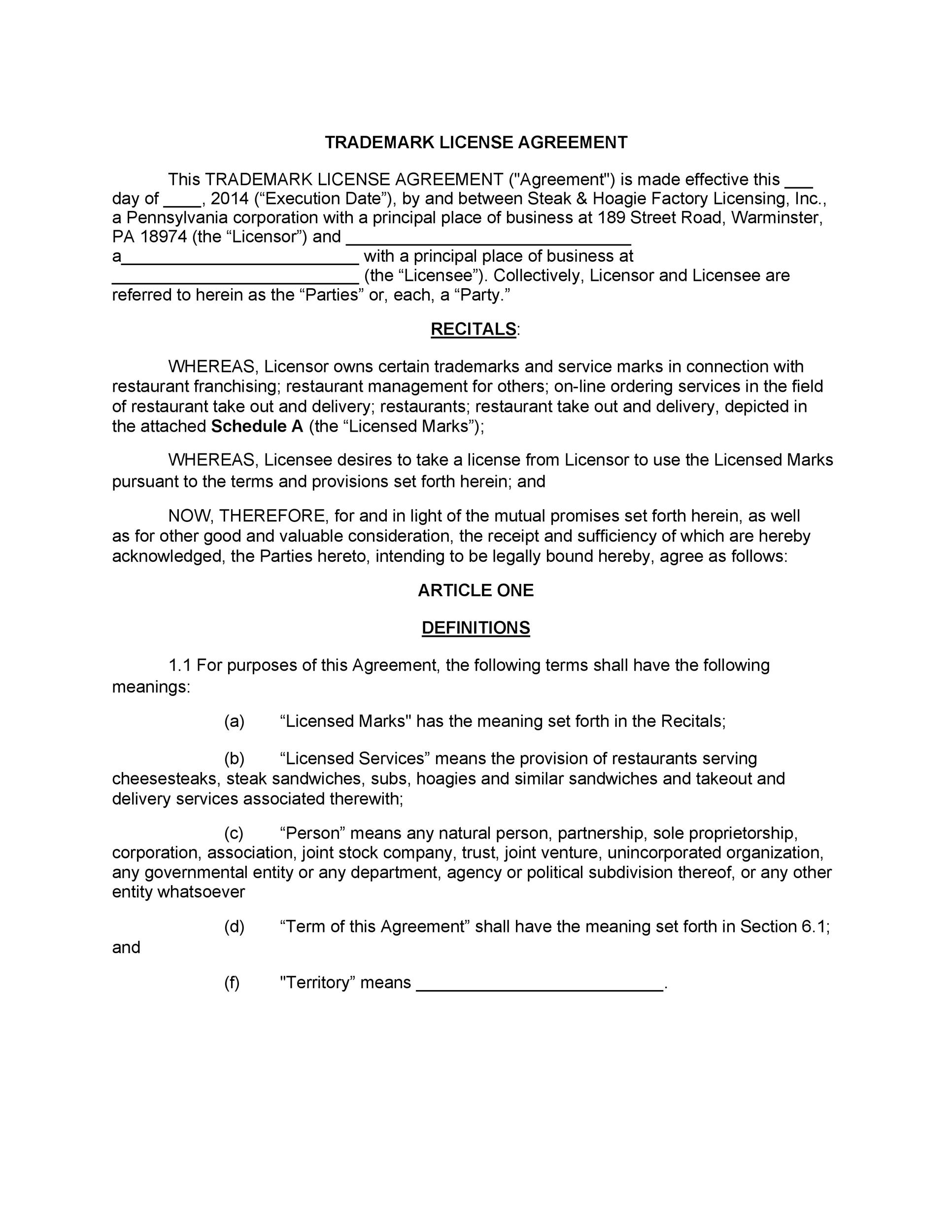
Trademarks are signs, designs, or expressions that identify products or services of a particular source from those of others. A trademark license agreement allows a licensee to use a brand's logo, name, or slogan in connection with their own goods or services. This is prevalent in franchising, merchandising, and co-branding initiatives. Crucially, trademark licenses often include provisions for quality control to protect the brand's reputation, as the licensor remains responsible for the quality of goods or services offered under their mark.

Trade Secrets
Trade secrets comprise confidential business information that provides a competitive edge, such as recipes, manufacturing processes, or customer lists. Unlike patents, copyrights, or trademarks, trade secrets are protected by maintaining their secrecy. A trade secret license typically involves a robust confidentiality agreement or non-disclosure agreement (NDA) embedded within the license, detailing the permitted use, strict non-disclosure obligations, and measures to protect the information. This type of license often comes with stringent security protocols and limits on who within the licensee's organization can access the information.
/Public-vs-Private-IP-Addresses-01-EN.png?width=1111&name=Public-vs-Private-IP-Addresses-01-EN.png)
Essential Clauses in an Intellectual Property License Agreement Template
A comprehensive Intellectual Property License Agreement Template must contain several critical clauses to ensure clarity, protect both parties, and facilitate the smooth operation of the license. Missing or ambiguously worded clauses can lead to significant disputes and legal challenges.
Grant of License
This is the cornerstone of the agreement, clearly defining the scope of the license. It specifies:
* What IP is being licensed: (e.g., specific patent numbers, software versions, registered trademarks).
* Permitted use: How the licensee can use the IP (e.g., manufacture, distribute, display, modify).
* Exclusivity: Whether the license is exclusive (only the licensee can use it in the defined scope), non-exclusive (licensor can license to others), or sole (licensor can use it, but no other third parties).
* Territory: The geographical regions where the licensee is permitted to operate.
* Term: The duration of the license (e.g., fixed period, perpetual, until certain conditions are met).
* Sublicensing rights: Whether the licensee can grant sub-licenses to third parties.
Payment Terms
This section details the financial compensation the licensor will receive. It can include:
* Upfront fees: A one-time payment made at the start of the agreement.
* Royalties: Ongoing payments based on a percentage of sales, revenue, units produced, or other metrics. This clause should specify the royalty rate, the basis for calculation, reporting requirements, and payment schedule.
* Milestone payments: Payments triggered by specific achievements (e.g., product launch, regulatory approval).
* Minimum guarantees: A minimum amount the licensee must pay regardless of usage or sales.

Representations and Warranties
Here, both parties make assurances about certain facts. The licensor typically warrants that they own the IP, have the right to grant the license, and that the IP does not infringe on third-party rights. The licensee might warrant that they have the capability to exploit the license effectively. These clauses are crucial for allocating risk.
Indemnification
This clause outlines which party is responsible for compensating the other for losses or damages arising from specific events, such as a third-party infringement claim or a breach of warranty. For example, the licensor might indemnify the licensee against claims that the licensed IP infringes on another party's patent.

Infringement and Enforcement
This section addresses how to handle situations where a third party infringes on the licensed IP. It specifies:
* Who has the right and responsibility to pursue infringers.
* How the costs and proceeds of such enforcement actions are shared.
* Notification requirements if either party becomes aware of infringement.

Confidentiality
Crucial for protecting proprietary information disclosed during the licensing process or as part of the licensed IP (especially for trade secrets). It defines what constitutes confidential information, obligations to keep it secret, exceptions to confidentiality, and the duration of these obligations.
Governing Law and Dispute Resolution
This clause specifies the legal jurisdiction that will govern the interpretation and enforcement of the agreement (e.g., laws of California, USA) and the preferred method for resolving disputes (e.g., arbitration, mediation, litigation).
Termination
Outlines the conditions under which the agreement can be ended by either party. This includes termination for breach of contract, insolvency, mutual agreement, or upon the natural expiry of the term. It also details the consequences of termination, such as return of confidential information, winding down of use, and survival of certain clauses.
Assignment
States whether either party can transfer their rights and obligations under the agreement to a third party. Typically, assignment requires the written consent of the other party.
Benefits of Using an Intellectual Property License Agreement Template
Leveraging an Intellectual Property License Agreement Template offers a multitude of advantages for both licensors and licensees, streamlining the often-complex process of commercializing and utilizing intangible assets.
Firstly, a well-developed template provides a solid legal foundation. It ensures that all critical legal provisions are considered and included, reducing the risk of oversight that could lead to future disputes or legal vulnerabilities. This standardization helps in maintaining consistency across various licensing deals.
Secondly, templates contribute significantly to efficiency and cost-effectiveness. Drafting a complex legal agreement from scratch can be time-consuming and expensive, often requiring extensive legal hours. A template drastically reduces the initial drafting effort, allowing parties to focus on customizing specific commercial terms rather than reinventing the entire legal structure. This can be particularly beneficial for startups or small businesses with limited legal budgets.
Thirdly, templates foster clarity and predictability. By using standardized language for common clauses, both parties can more easily understand their rights and obligations. This clarity minimizes ambiguity, which is a common source of conflict in business relationships. With a clear framework, negotiations can be more focused and productive.
Fourthly, an Intellectual Property License Agreement Template serves as an excellent educational tool. For individuals or businesses new to IP licensing, reviewing a comprehensive template can provide invaluable insights into the typical provisions, potential pitfalls, and strategic considerations involved in these agreements. It helps build a foundational understanding before engaging legal counsel for specific advice.
Finally, templates can facilitate faster deal closure. When key terms are already outlined in a familiar structure, the negotiation process can accelerate, allowing businesses to capitalize on market opportunities more swiftly. This agility is crucial in fast-paced industries where innovation and time-to-market are critical competitive factors.
Customizing Your Intellectual Property License Agreement Template
While an Intellectual Property License Agreement Template provides a strong starting point, it is crucial to understand that it is rarely a "one-size-fits-all" solution. Effective IP licensing requires significant customization to fit the unique nature of the intellectual property, the specific business context, and the commercial objectives of both the licensor and licensee. Relying solely on a generic template without proper tailoring can lead to inadequate protection, unforeseen liabilities, or missed opportunities.
The process of customization begins with a thorough understanding of the specific IP being licensed. Is it a patent for a complex manufacturing process or a copyright for a simple logo? The nature of the IP will dictate which clauses require particular attention. For instance, a software license will need robust provisions regarding updates, maintenance, and source code access, while a trademark license will focus heavily on quality control and brand guidelines.
Next, consider the commercial objectives of the parties. Is the licensor looking for maximum royalty revenue, broad market penetration, or strategic partnership? Is the licensee seeking exclusive market access, a short-term solution, or a long-term technology integration? These objectives will directly influence terms like exclusivity, duration, territory, and payment structure. A licensor aiming for broad market reach might opt for non-exclusive licenses with many partners, while a licensee might pay a premium for exclusivity in a key market.
The industry and regulatory environment also play a significant role. Licensing agreements in pharmaceuticals, for example, will require specific clauses related to regulatory approvals, clinical trials, and compliance, which would be irrelevant in a music licensing agreement. Data privacy regulations (like GDPR or CCPA) might also impact agreements involving data-rich IP.
It is highly recommended to engage legal counsel when customizing an Intellectual Property License Agreement Template. While templates offer structure, only a qualified attorney can provide advice tailored to your specific situation, ensuring the agreement is legally sound, enforceable in the relevant jurisdiction, and adequately protects your interests. Legal experts can identify potential risks not apparent in a generic template and help draft precise language that reflects the nuanced commercial realities of your deal. They can also ensure compliance with all applicable laws and regulations, preventing future legal challenges.
Conclusion
An Intellectual Property License Agreement Template is an indispensable tool for navigating the intricate world of intellectual property commercialization. It provides a structured, legally sound framework for owners to monetize their innovations and for businesses to gain access to critical technologies, brands, and creative content. From patents and copyrights to trademarks and trade secrets, the versatility of these agreements allows for a broad spectrum of commercial arrangements, fostering innovation and economic growth.
Utilizing a comprehensive template offers significant benefits, including establishing a strong legal foundation, enhancing efficiency, reducing costs, and promoting clarity between parties. However, its true value is unlocked through careful customization. Each licensing scenario is unique, demanding a tailored approach that considers the specific nature of the IP, the commercial objectives of the licensor and licensee, and the relevant industry and legal landscape. Generic solutions, while convenient, can pose substantial risks if not adapted to the specific context.
Ultimately, while an Intellectual Property License Agreement Template serves as an excellent starting point, it is not a substitute for expert legal advice. Engaging experienced legal counsel to review, customize, and finalize your agreement ensures that it is robust, enforceable, and effectively protects your valuable intellectual property assets, paving the way for successful and mutually beneficial partnerships.
0 Response to "Intellectual Property License Agreement Template"
Posting Komentar