
Gaining a competitive edge in basketball often comes down to preparation, and at the heart of elite preparation is a deep understanding of your opponent. While watching game film is essential, simply observing isn't enough; you need a structured method to capture, organize, and analyze critical information. This is where a well-designed Scouting Report Basketball Template becomes an indispensable tool for coaches, scouts, and even dedicated players. It transforms scattered notes and mental images into an actionable game plan, providing a clear roadmap to exploiting weaknesses and neutralizing strengths.
A scouting report is more than just a list of statistics. It's a strategic document that breaks down an opponent's identity. It delves into their preferred offensive sets, their defensive schemes, the tendencies of their key players, and their overall philosophy. Without a structured template, vital details can be missed, and the process can become overwhelming. A systematic approach ensures that every crucial aspect of the opponent is evaluated consistently, from their transition offense to their out-of-bounds plays, creating a comprehensive profile that can be easily shared and understood by your entire team.

The ultimate goal of scouting is to remove the element of surprise and empower your team with knowledge. When players step onto the court already knowing their opponent's go-to moves, favorite spots on the floor, and defensive habits, they can play with greater confidence and anticipation. This article will serve as a comprehensive guide to building and utilizing an effective basketball scouting report. We will break down the essential components for both team and individual analysis, explore different formats, and provide actionable examples to help you create a template that elevates your game preparation to the next level.
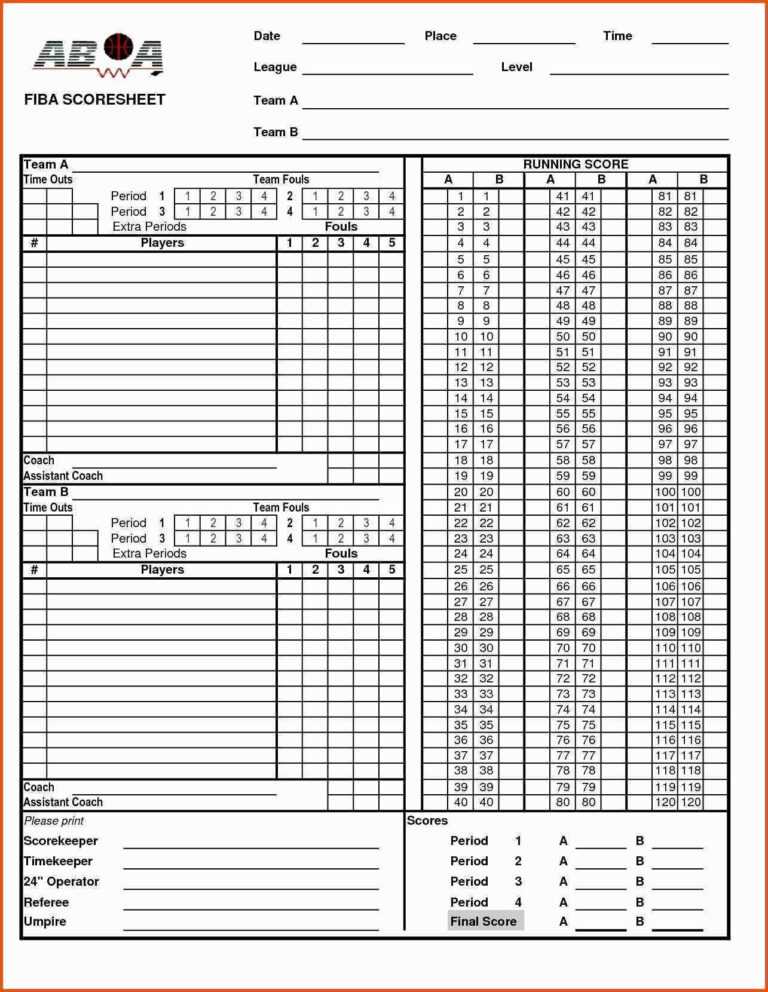
What is a Basketball Scouting Report?
A basketball scouting report is a detailed analytical document used to dissect the strategic and individual components of an opposing team or a specific player. It serves as the foundation for a team's game plan, moving beyond raw statistics to uncover the how and why behind an opponent's performance. The primary purpose is to identify patterns, strengths, weaknesses, and tendencies that can be exploited during a game.

For coaches, a scouting report is a crucial teaching tool. It synthesizes hours of film study into a concise, digestible format that can be presented to players. Instead of just saying "they are a good shooting team," a report will specify who the best shooters are, where they like to shoot from, and what kind of actions (e.g., off-screen, spot-up) generate those shots. This level of detail allows for the creation of highly specific defensive strategies.

There are two primary types of scouting reports:
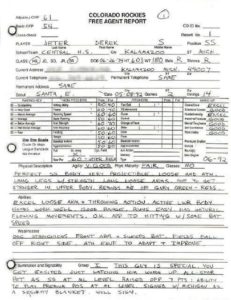
- Team Scouting Report: This focuses on the opponent as a collective unit. It analyzes their overall offensive and defensive systems, pace of play, key personnel, and situational plays (e.g., after-timeout plays, late-game tendencies). This is the most common type used for game-to-game preparation during a season.
- Individual Player Scouting Report: This report zooms in on a single player. It is used heavily in recruiting to evaluate prospects, but also by teams to prepare for a star opponent. It breaks down a player's physical attributes, technical skills, offensive and defensive habits, and intangibles like basketball IQ and motor.
Ultimately, a quality scouting report provides the intelligence necessary to make informed strategic decisions both before and during a basketball game.

The Core Components of an Effective Scouting Report Basketball Template
A truly effective template is both comprehensive and easy to read. It should guide the scout's eye to the most important information quickly. While templates can be customized, they should all contain several core sections that provide a 360-degree view of the opponent.
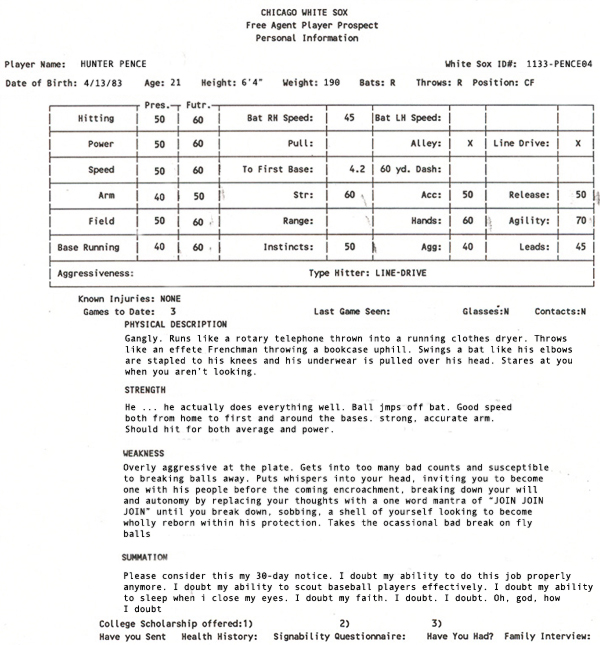
Basic Information
This section is for at-a-glance details. It sets the context for the entire report and ensures it's properly archived and easy to find later.
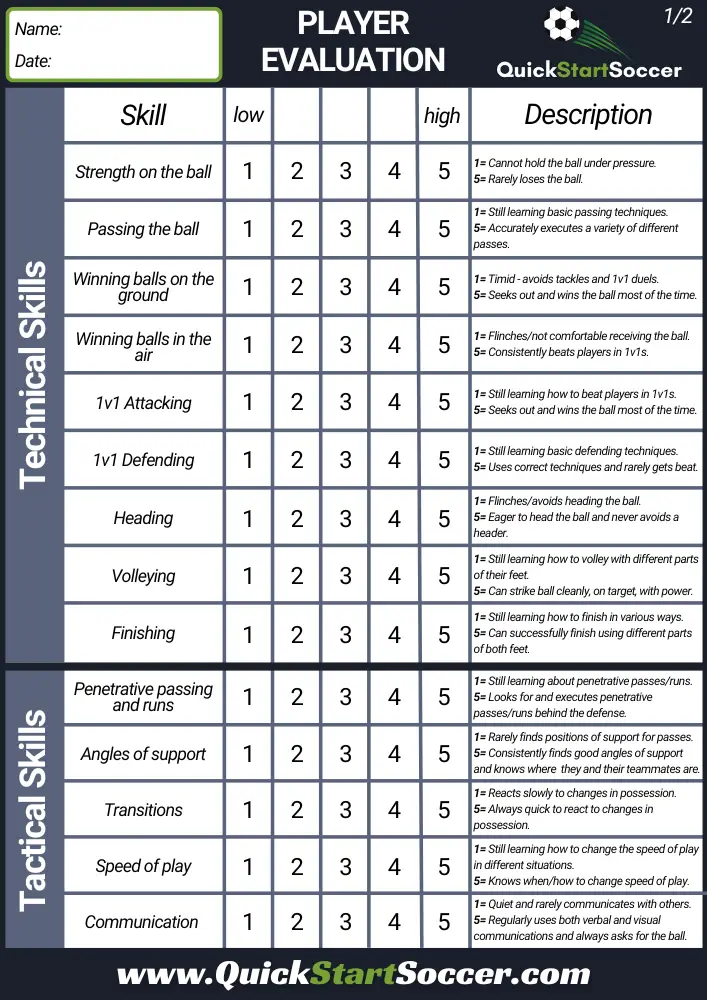
- Team & Game Details: Opponent's Name, Your Team's Name, Date of Game, Location (Home/Away), Scout's Name.
- Player Vitals (for individual reports): Player Name, Jersey Number, Position, Height, Weight, Wingspan, Dominant Hand.
Team-Level Analysis
This provides the big-picture overview of the opponent's identity and general strategy.

- Team Identity: A brief summary of their style. Are they a fast-paced, run-and-gun team? A grind-it-out, defensive-minded team? Do they rely heavily on the three-point shot or do they pound the ball inside?
- Key Personnel: List their probable starting lineup and key players off the bench. Include a one-sentence summary for each player (e.g., "#23, SG: Elite scorer, non-shooter, hunts fouls").
- Team Statistics: Note key stats like points per game (PPG), opponent PPG, field goal percentage (FG%), 3-point percentage (3P%), rebounds, assists, and turnovers. This provides a quantitative backdrop to your qualitative observations.
Offensive Analysis
This is where you break down how the opponent scores the ball. It's one of the most critical sections for developing a defensive game plan.
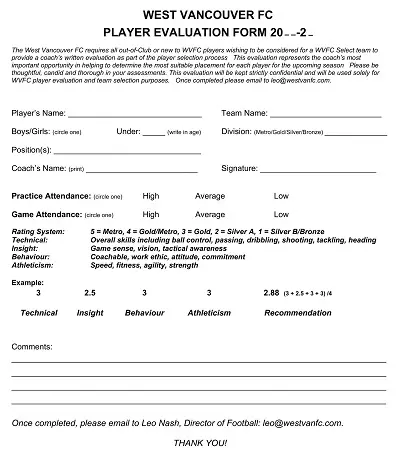
- Primary Offense: Identify their base offensive set. Is it a Motion Offense, a Dribble Drive Motion, a Pick-and-Roll heavy offense, or do they run structured sets like the Flex or Triangle?
- Transition Offense: How do they operate on the fast break? Do they have a designated "runner" who sprints to the rim? Do their guards push the ball aggressively? Note if they are vulnerable to good transition defense.
- Set Plays (SLOB/BLOB): What do they run on Sideline Out-Of-Bounds (SLOB) and Baseline Out-Of-Bounds (BLOB) plays, especially in crucial moments? Diagramming or describing their top 1-2 plays is essential.
- Key Actions: What actions do they use to free up their best players? This includes pindown screens, flare screens, dribble hand-offs (DHOs), and elevator screens.
Defensive Analysis
Understanding how an opponent defends is key to planning your offensive attack.

- Primary Defense: What is their base defensive scheme? Is it Man-to-Man, a 2-3 Zone, a 3-2 Zone, or a Match-up Zone? Do they switch defenses often?
- Pressing Schemes: Do they use a full-court or half-court press? Is it after made baskets or dead balls? Identify the type of press (e.g., 1-2-1-1, 2-2-1).
- Pick-and-Roll Coverage: This is crucial in modern basketball. How do they defend the ball screen? Do they hedge hard, drop the big, switch 1-5, or ice/blue the screen?
- Defensive Weaknesses: Identify areas to exploit. Are they slow to rotate on help-side? Do they give up offensive rebounds? Is a specific player a defensive liability?
Individual Player Scouting: A Deeper Dive
When recruiting or preparing for a star player, a generic team report isn't enough. An individual report breaks a player down to their core components, providing the detail needed for specific matchup plans or long-term evaluation.
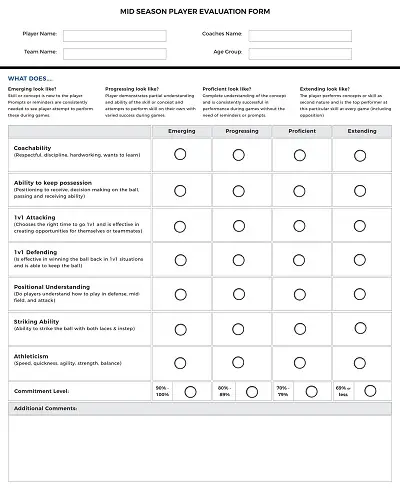
Physical Profile
This section covers the measurable and observable physical traits of a player.
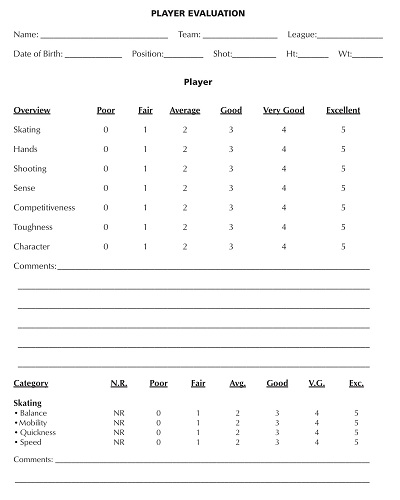
- Measurables: Height, weight, wingspan. These are the foundational stats.
- Athleticism: Evaluate their speed, quickness, vertical leap, and body control. Use descriptive terms like "explosive first step," "fluid movements," or "plays below the rim."
Offensive Skillset
This is a granular look at every facet of a player's offensive game.
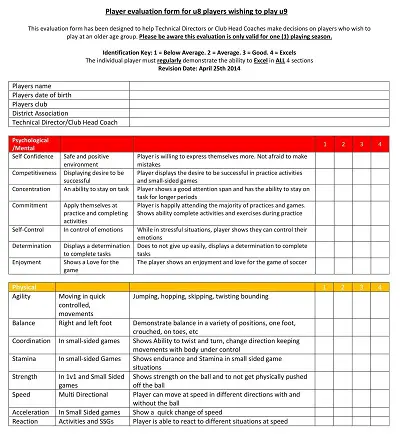
- Shooting: Break this down thoroughly. What is their effective range? Are they a catch-and-shoot specialist or can they create their own shot off the dribble? Note their shot selection and efficiency from different areas (e.g., "Good corner 3-point shooter, struggles from the top of the key").
- Ball-Handling: Can they handle pressure? Do they have a variety of dribble moves or just a basic crossover? Is their off-hand a weakness? Note if they are a turnover-prone ball-handler.
- Passing: Evaluate their court vision and decision-making. Are they a willing and accurate passer, or do they have tunnel vision? Do they make simple plays or can they execute advanced passes like skip passes or pocket passes?
- Finishing: How do they score at the rim? Can they finish through contact? Do they use both hands? Do they prefer a layup, floater, or dunk?
- Off-Ball Movement: A critical but often overlooked skill. Do they move with purpose? Are they an effective cutter (e.g., V-cuts, L-cuts, back-cuts)? Do they set good screens to free up teammates?
Defensive Skillset
A player's value is often determined by their ability on the defensive end.
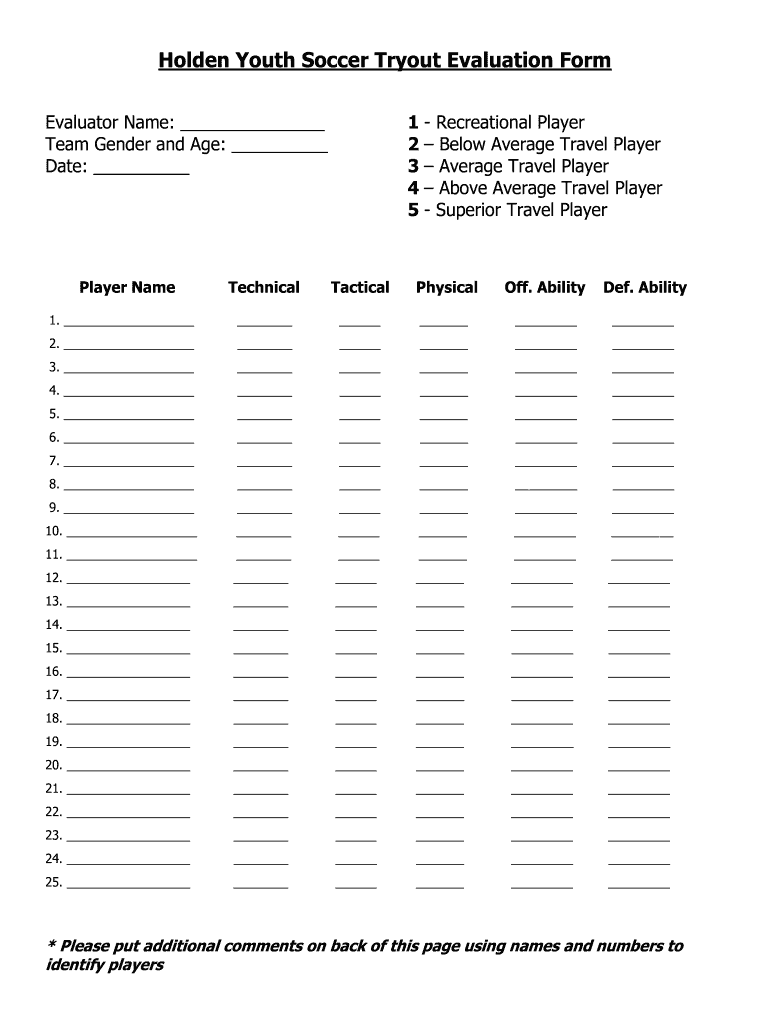
- On-Ball Defense: Assess their footwork, defensive stance, and ability to stay in front of their matchup. Do they foul often?
- Off-Ball Defense: Are they aware in help-side position? Do they execute rotations correctly? Do they get lost watching the ball?
- Rebounding: Are they a disciplined box-out player or do they just chase the ball? Do they pursue offensive rebounds aggressively?
- Defensive Playmaking: Note their ability to generate steals and blocks. Are they disciplined or do they gamble for big plays, leaving their team vulnerable?
Intangibles and Tendencies
This section captures the mental and habitual aspects of a player's game.
- Basketball IQ: How well do they understand the game? Do they make smart decisions with and without the ball? Do they recognize mismatches?
- Motor: What is their effort level like? Is it consistent throughout the game? Do they make hustle plays?
- Tendencies: This is a goldmine for game-planning. Note their habits. For example: "Always drives left," "Hesitates on open shots," "Fakes a DHO and keeps it 80% of the time," or "Picks up his dribble when pressured."
How to Use and Implement Your Scouting Report
Creating a detailed report is only half the battle. Its true value is realized in its application.
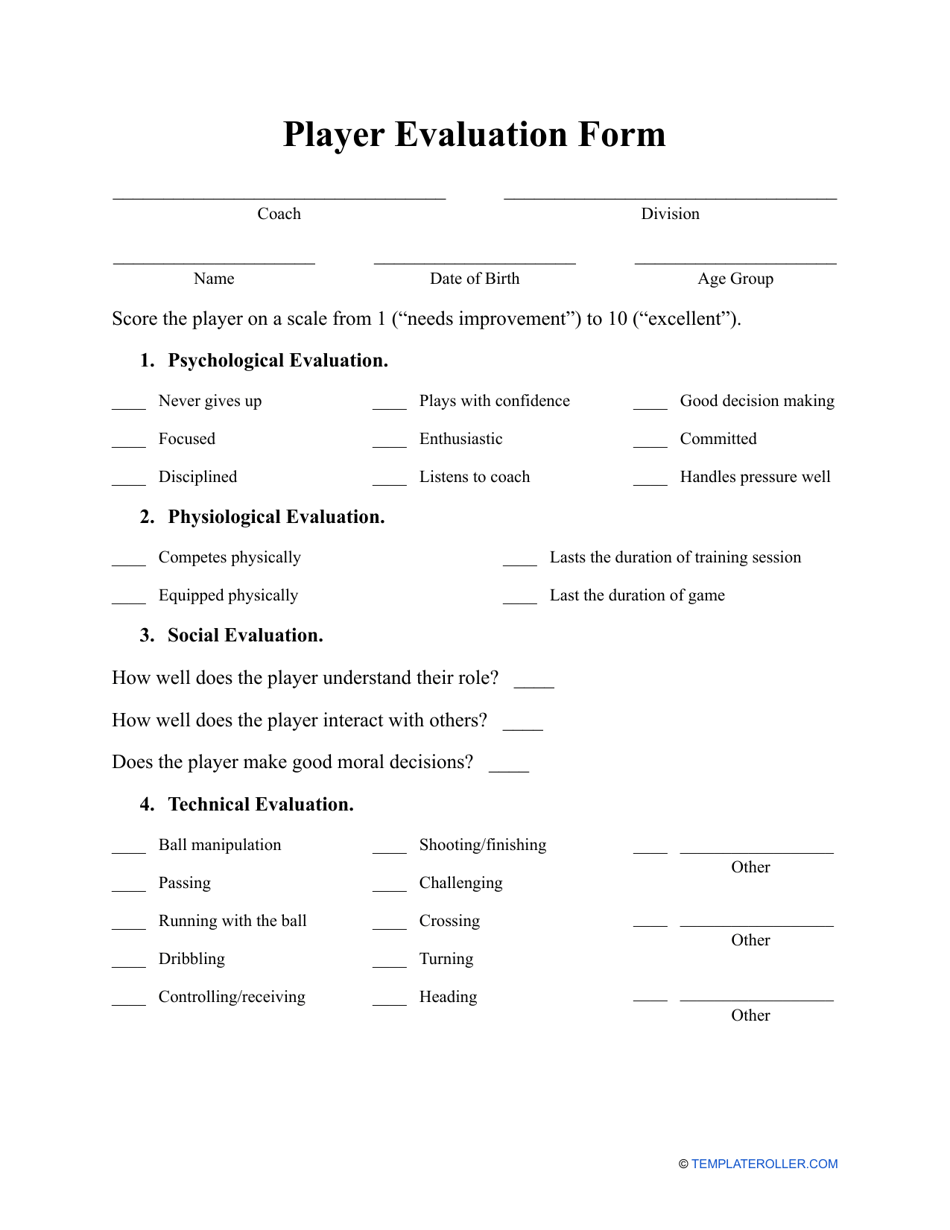
For coaches, the first step is to distill the comprehensive report into a concise game plan. This means identifying the top 3-5 most important keys on both offense and defense. These keys should be simple, memorable, and directly address the opponent's main strengths and weaknesses. For example, a key might be "No middle penetration" against a dribble-drive team or "Contest #10 at the 3-point line" against a team with an elite shooter.
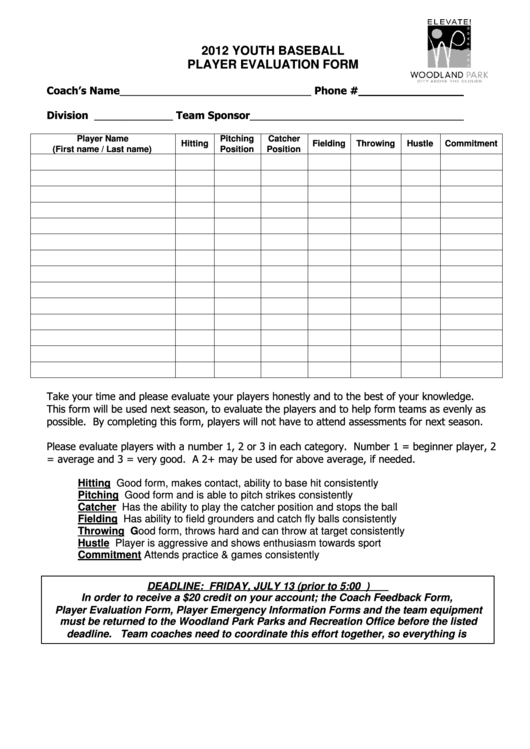
This game plan is then communicated to the team. Many successful coaches use video to support the scouting report. Showing players short clips that illustrate a specific tendency or play call is far more effective than just describing it. The written report can be posted in the locker room or shared digitally, but the team meeting and film session are where the information truly comes to life.
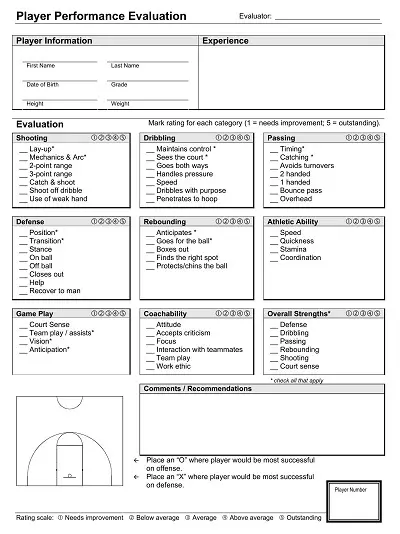
For players, the scouting report should be used for individual preparation. They should focus on their specific matchup, learning their opponent's go-to moves, shooting range, and defensive habits. A guard preparing to face a quick, left-hand-dominant opponent can use the report to mentally prepare to force them right and anticipate their crossover. This level of preparation builds confidence and allows players to be proactive rather than reactive on the court.
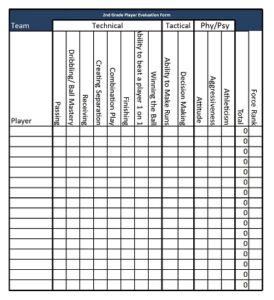
Digital vs. Paper: Choosing the Right Scouting Format
The debate between traditional paper reports and modern digital solutions is ongoing, with valid points for each.
A paper or printable template is simple, reliable, and accessible. There are no batteries to die or software glitches to worry about during a game. Many coaches prefer having a physical clipboard with notes they can quickly reference. The downside is that paper reports are harder to share, archive, and analyze over time. They can get lost or damaged, and you can't easily integrate video clips.
Digital templates, on the other hand, offer immense flexibility and power. Using software like Excel, Google Sheets, or specialized apps like Hudl and FastScout allows for easy storage, sharing, and data analysis. You can link video clips directly to notes, create searchable databases of players and teams, and share reports with your entire staff and team instantly. The main drawbacks are the reliance on technology (laptops, tablets) and the potential for it to be a distraction on the sideline.
The best solution often involves a hybrid approach. A coach might use a digital platform to compile the detailed report and edit film, then print a one-page summary of key points for use during the game.
Free Downloadable Scouting Report Basketball Template Examples
To help you get started, here are outlines for two types of templates. You can build these in a word processor, spreadsheet, or note-taking app.
Simple Team Scouting Template
This is a one-page summary perfect for a quick overview or for game day.
- Opponent: _ | Date: _
- Team Identity: (e.g., Up-tempo, 3-point shooting team. Below-average defense.)
- ---
- Offensive Keys:
- Transition D: Must get back. Stop ball early.
- Closeout Hard: Run their top 3 shooters (#5, #12, #23) off the 3PT line.
- Contain Dribble Drive: Keep the ball out of the paint.
- ---
- Defensive Keys:
- Attack the Zone: Use high post flashes and baseline runners.
- Push the Pace: They are slow getting back after made shots.
- Offensive Rebound: Their bigs do not box out consistently.
- ---
- Personnel (Starters & Key Bench):
- #Number, Name, Pos: (Brief description: e.g., "#5 Smith, PG: Pure shooter, must force him left.")
- #Number, Name, Pos: (e.g., "#21 Jones, C: Great rebounder, poor free-throw shooter.")
- #Number, Name, Pos:
- ---
- Set Plays to Know:
- BLOB: "Stack" - Look for a pindown for #5.
- After Timeout (ATO): "Horns Flare" - Screen for their best shooter.
Detailed Individual Player Template
This is ideal for recruiting or focusing on a star opponent.
- Player Name: _ | Jersey: ## | Position: __
- Team: __ | Height: | Weight: | Hand: _
- Overall Assessment: (A 2-3 sentence summary of the player's game and potential.)
- ---
- Physical Profile:
- Athleticism:
- Strength:
- Motor/Effort:
- ---
- Offensive Analysis:
- Strengths: (List 3-4 bullet points, e.g., "Excellent catch-and-shoot 3PT shooter," "Great court vision in transition.")
- Weaknesses: (List 3-4 bullet points, e.g., "Cannot create his own shot," "Loose handle under pressure," "Struggles to finish with left hand.")
- Tendencies: (e.g., "Always uses a right-to-left crossover," "Will shot-fake and drive baseline.")
- ---
- Defensive Analysis:
- Strengths: (e.g., "Good shot blocker from the weak side," "Active hands in passing lanes.")
- Weaknesses: (e.g., "Often out of position on help-side," "Reaches and fouls frequently.")
- ---
- Game Plan:
- How to Guard Him: (e.g., "Force him left. Close out high on the catch to take away the shot. Do not help off him in the corner.")
- How to Attack Him: (e.g., "Attack him off the dribble. Make him navigate screens. Put him in pick-and-roll action.")
Conclusion
A scouting report is far more than a simple administrative task; it is a cornerstone of strategic preparation in basketball. By adopting a structured Scouting Report Basketball Template, coaches and scouts can ensure a thorough, consistent, and efficient evaluation process. This systematic approach transforms raw observation into actionable intelligence, revealing an opponent's habits, strengths, and vulnerabilities.
Whether you're preparing for your next opponent, evaluating a high school recruit, or a player studying your individual matchup, a well-crafted report provides the clarity needed to perform with confidence. From understanding team-wide offensive sets and defensive coverages to breaking down a single player's every tendency, the details captured in a scouting report are what create a tangible competitive advantage. Ultimately, the time invested in meticulous scouting pays dividends on the court, where preparation so often separates victory from defeat.
0 Response to "Scouting Report Basketball Template"
Posting Komentar